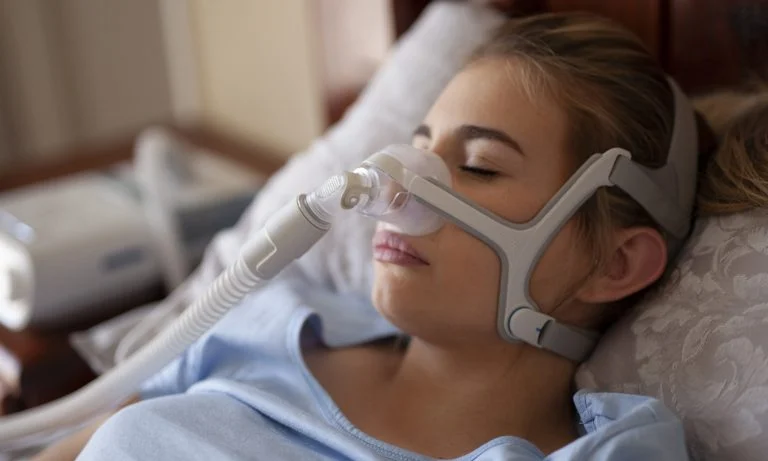
The Effects of Sleep Apnea on Your Daily Life! If you are like most people, you spend about one-third of your life sleeping. When you wake up in the morning, you expect to feel rejuvenated and fresh. This may not be the case for people suffering from sleep apnea. Sleep apnea can have a tremendous negative impact on your daily life if left unaddressed.
What Is Sleep Apnea?
Sleep apnea affects about 22 million Americans. It is a condition in which a person stops breathing multiple times during their sleep cycle, leading to poor quality and quantity of sleep. Usually, your throat muscles relax and block your airway, causing you to wake up repeatedly. During these pauses, you may experience shallow breaths, snoring, and gasping for air.
Effects of Sleep Deprivation on Your Life
Sleep is a vital part of any healthy lifestyle. Sleep sickness can have a significant impact on your physical and mental health. The apnea affects your sleep patterns and can rob you of the therapeutic benefits of deep sleep.
Poor Physical Health
Slumbering apnea causes numerous health problems, including high blood pressure, heart disease, stroke, or memory loss. Dozing apnea increases the risk of accidents at work and at home.
Mental Health Issues
Sleep deprivation can increase your risk for depression, anxiety, and even psychosis. These mental health risks are extreme in people with severe cases of slumbering apnea. Increased risk of depression and anxiety makes it difficult to perform your job duties or engage in social activities, leading to isolation and other mental health issues.
Reduced Cognitive Functioning
Sleep deprivation can cause difficulty concentrating and remembering things, and other cognitive problems like decreased mental agility and motor skills. Your ability to perform tasks that require skills such as driving or playing sports could be difficult. People with dozing apnea have trouble focusing or concentrating on tasks throughout the day because their minds are still foggy.
Daytime Fatigue
Sleep apnea can lead to daytime tiredness and fatigue. You may find yourself struggling to stay awake during the day, even after getting a whole night’s sleep. This is because your brain doesn’t get enough oxygen when sleeping.
When you don’t get enough restful sleep at night, your body doesn’t get a chance to fully recover from physical exertion or mental stress from the day before. Poor sleep means you’re less likely to feel refreshed when you wake up.
Headaches
Sleep disorder sufferers often report headaches upon waking. Muscle strain that occurs when you wake up repeatedly during the night to breathe usually causes these headaches. These headaches can be severe enough to disrupt their daily routine.
Moodiness and Irritability
It can take longer to recover from emotional stressors when you don’t get enough sleep. You will be more vulnerable to feelings of anger or frustration when dealing with everyday situations that would otherwise be manageable. This might negatively affect your relationships with family, friends, or co-workers.
Decreased Libido
If you have a sleep disorder, there’s a good chance that your sex drive will suffer. The lack of oxygen during the night can cause your testosterone levels to drop. This can lead to erectile dysfunction, making it difficult for you to get an erection or maintain one during sex. It also makes it more difficult for women to become aroused and get an orgasm during intercourse. Women with sleep illness may experience pre-menstrual syndrome (PMS) and post-partum depression.
Early Aging and Tired Appearance
Sleep illness can affect your appearance. Those who suffer from this condition tend to have more noticeable wrinkles than those who do not have the condition. When you stop breathing while sleeping, your muscles tense up, which causes stress on your skin and leads to wrinkles forming over time.
Sleep Apnea Therapy Can Help
If you have sleep sickness, you may want to explore treatment options. Sleep apnea therapy can help reduce symptoms and effects of sleep illness by keeping your airways open while you sleep. This may improve your quality of life and make it easier to perform everyday tasks without fatigue. If you are suffering from a sleep disorder, consider contacting a sleep therapist.