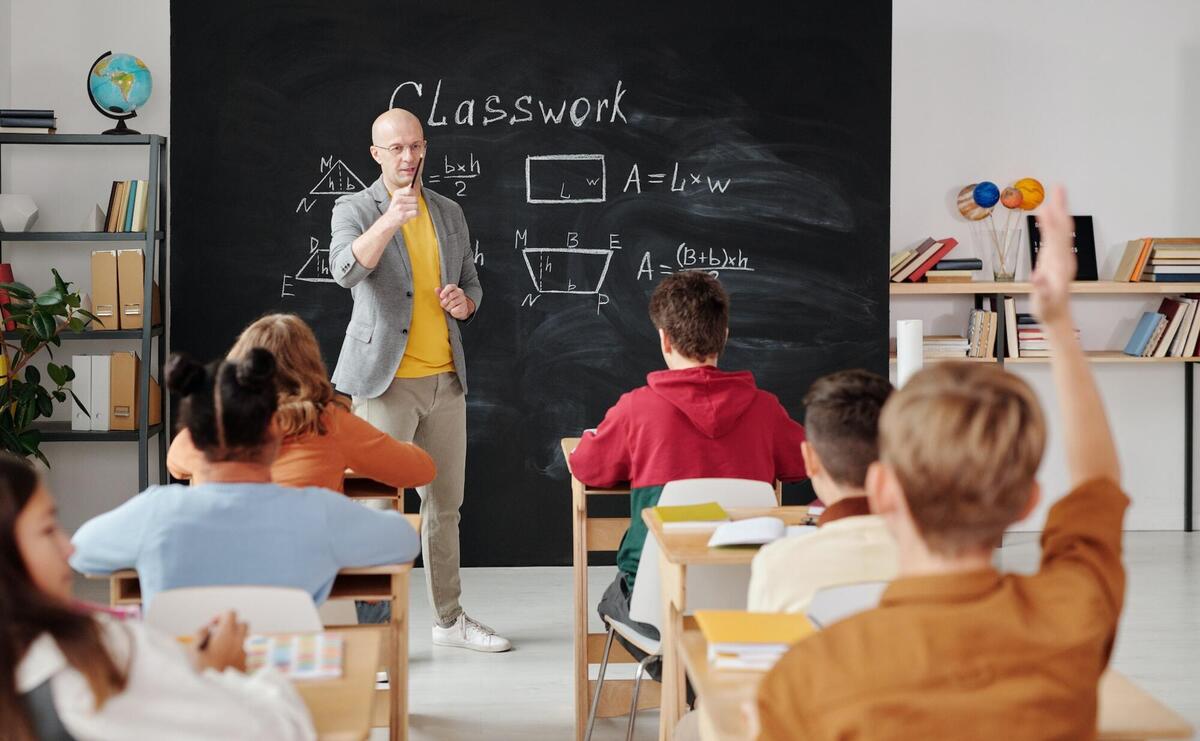
In today’s educational landscape, Engaging Students has emerged as a critical factor in fostering effective learning experiences. Active learning techniques, which prioritize student participation and collaboration, have been shown to significantly enhance engagement and improve academic outcomes. This article explores various active learning strategies that educators can implement to create a dynamic and interactive classroom environment.
What is Active Learning?
Active learning is an instructional approach that involves students in the learning process more directly than traditional lecture-based teaching. Instead of passively receiving information, students engage in activities such as discussions, problem-solving, case studies, role plays, and group projects. This hands-on approach encourages deeper understanding and retention of material.
Benefits of Active Learning
- Increased Retention and Understanding: Active learning techniques require students to process and apply information, which promotes better retention and comprehension.
- Enhanced Critical Thinking: Engaging in problem-solving and analysis helps students develop critical thinking skills.
- Improved Collaboration: Group activities foster teamwork and communication skills.
- Greater Motivation: Interactive and varied activities can increase student motivation and interest in the subject matter.
- Adaptability: Active learning can be tailored to diverse learning styles and needs.
Effective Active Learning Techniques
- Think-Pair-Share: This technique involves posing a question to the class, allowing students to think about it individually, discussing their thoughts with a partner, and then sharing their insights with the larger group. This promotes active participation and helps students articulate their ideas.
- Flipped Classroom: In a flipped classroom, students review lecture material at home and engage in interactive activities in class. This model allows for more hands-on learning during class time and ensures that students come prepared to engage in discussions and problem-solving.
- Case Studies: Presenting real-world scenarios related to the course material encourages students to apply their knowledge and think critically about practical applications. Case studies can be discussed in groups, allowing for collaborative learning.
- Group Projects: Assigning projects that require teamwork helps students learn to collaborate and manage tasks collectively. It also allows them to delve deeper into topics of interest, fostering engagement and ownership of their learning.
- Peer Teaching: Having students teach a concept to their peers can reinforce their understanding and build confidence. Peer teaching can be done through presentations, study groups, or collaborative assignments.
- Interactive Simulations and Games: Using simulations and educational games can make learning fun and engaging. These tools allow students to experiment with concepts in a risk-free environment and see the immediate consequences of their decisions.
- Problem-Based Learning (PBL): In PBL, students work on complex, real-world problems without a predefined solution. This method encourages critical thinking, creativity, and collaboration, as students must research and develop their solutions.
Implementing Active Learning in the Classroom
To effectively implement active learning techniques, educators should consider the following steps:
- Plan and Prepare: Clearly outline the objectives and structure of each active learning activity. Ensure that the activities align with the course goals and learning outcomes.
- Create a Supportive Environment: Foster a classroom culture that encourages participation and values diverse perspectives. Provide clear instructions and support to help students feel comfortable engaging in activities.
- Use Technology Wisely: Incorporate educational technology tools that can enhance active learning, such as interactive whiteboards, online discussion forums, and collaborative platforms like Google Workspace or Microsoft Teams.
- Assess and Reflect: Regularly assess the effectiveness of active learning activities through student feedback, observations, and performance data. Use this information to refine and improve your teaching strategies.
- Be Flexible: Be open to adjusting your plans based on student needs and feedback. Flexibility allows you to respond to the dynamic nature of the classroom and ensures that all students remain engaged.
Conclusion
Engaging students through active learning techniques can transform the educational experience, making it more interactive, enjoyable, and effective. By incorporating strategies such as think-pair-share, flipped classrooms, and problem-based learning, educators can foster a more dynamic and participatory learning environment. These techniques not only enhance student engagement but also promote deeper understanding, critical thinking, and collaboration, preparing students for success in their academic and professional lives.
Embrace active learning in your classroom to unlock the full potential of your students and create a vibrant, engaging educational experience.